Coastal conservation with SERC.
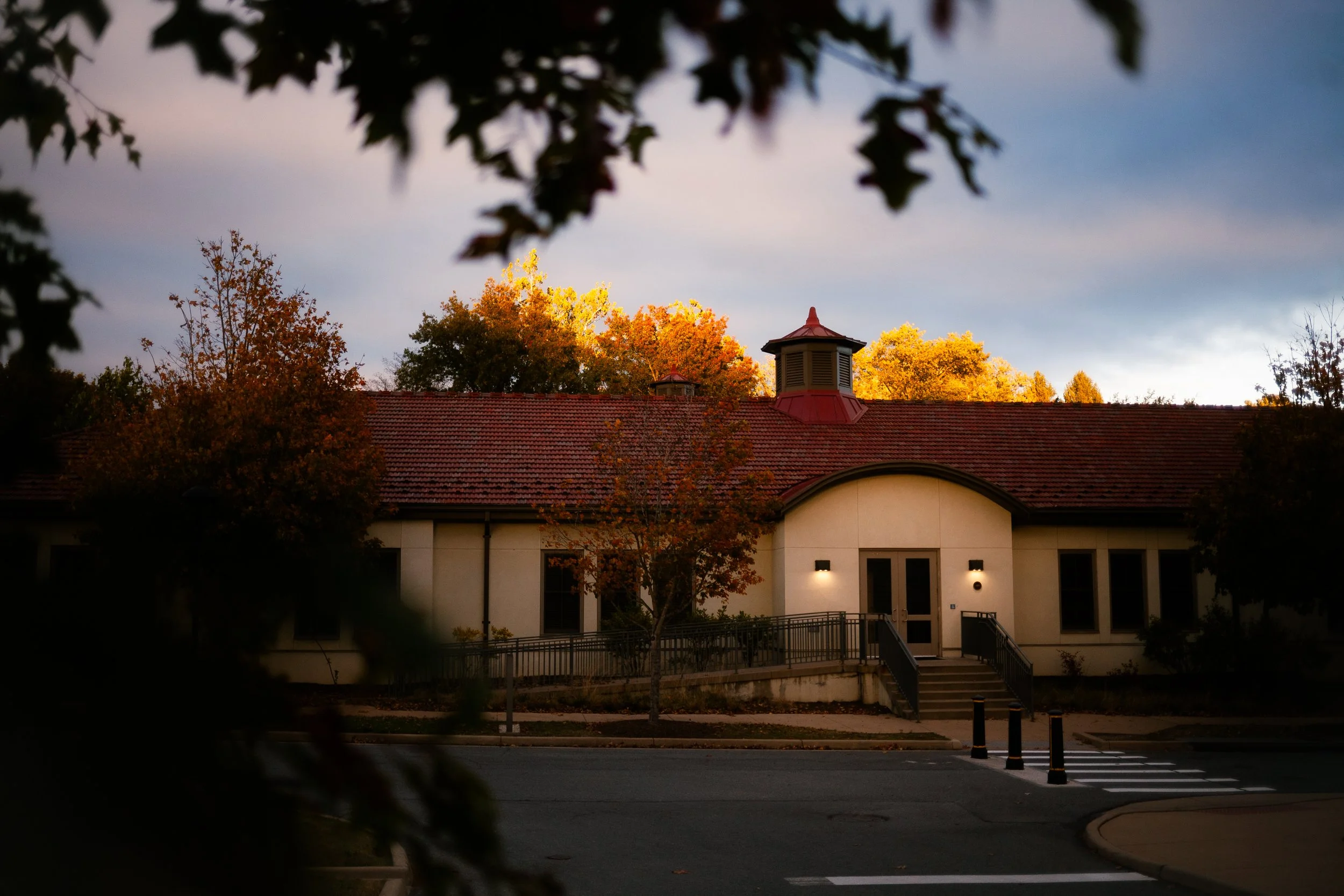
For our fifth week at SMSC, we took our farthest field trip yet, from Front Royal, VA to Edgewater, MD to visit the Smithsonian Environmental Research Center (SERC).
After a calm two hour drive, we arrived to SERC and had a few minutes to explore the Reed Educational Center, a small facility dedicated to educating the youth about the Chesapeake Bay environment. Inside the facility there were many tanks holding various species from the Chesapeake Bay such as Striped Bass (Morone saxatilis), Diamondback terrapin (Malaclemys terrapin), and American Eel (Anguilla rostrata). After looking at the fish in the tanks, I walked out to the dock where the Smithsonian’s research boats are kept and saw jellyfish and catfish swimming around under the docks.
Once we all had enough fun watching the jellyfish swim around, we began our tour of SERC. Our tour began with an overview of CO2 monitoring in the Chesapeake bay with Amanda Reynolds, the Head Technician in the Ocean Acidification Lab. We learned about causes and effects of CO2 in the Chesapeake Bay and different ways they measure the CO2 concentrations. Then Amanda opened a garage and we were greeted with a small boat nicknamed the SMART-e, a semi-autonomous boat that collects underway carbonate chemistry measurements.
After our morning tours, we made our way to the Global Change Research Wetlands (GCREW) lab. GCREW is one of the most interesting labs I have ever gotten the chance to see. The best way I can describe GCREW is like walking into a different planet, you walk down a bridge into a costal wetland, and get to walk on an elevated platform through ecosystem that few people ever get the chance to explore. While you're walking along the bridge, you can look to either side of you and see equipment and structures that look like something from The Martian. Getting to walk along side experiments that have been running for nearly 40 years was surreal and an unforgettable experience.
After leaving SERC I found myself excited not only for the field of conservation, but about science as a whole. Seeing the various levels of experiments, from measuring CO2 concentration using garden fountain spheres and a drilled up Harbor Freight toolbox to massive enclosures measuring nitrogen levels from wetlands, it showed me that science is accessible to anyone. If you want to run an experiment right now, the barrier for entry has never been lower in history. I believe it is imperative that we all, to some extent, begin to collect data and share it with others. This could be as simple as getting a requesting a Salt Watch kit from the Izzak Walton League to monitor salt levels in your local streams. At the end of the day, get out there and start experimenting.
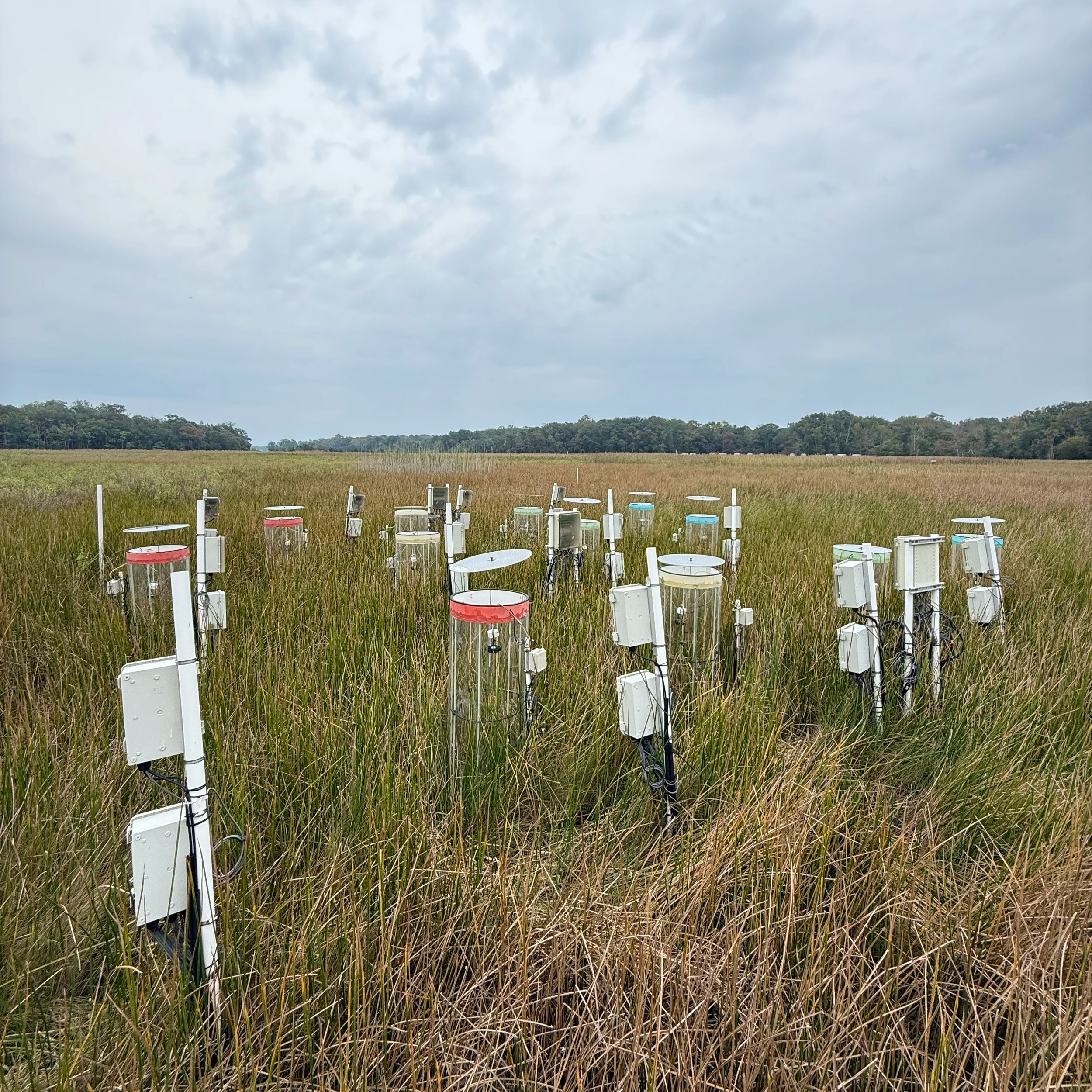
One of Global Change Research Wetlands (GCREW)’s newest experiments, measuring real-time emissions of CH4, CO2, and N2O when different environmental conditions are applied such as temperature, salinity, and nutrient loading. Each tube has a lid that automatically opens and closes controlled by a central control unit and can be changed depending on the experiment being run.